
Summary
Glaucoma doesn't just affect your eyes, it rewires the way your entire body manages stress, inflammation, and cellular strain. That means supporting your long-term eye health calls for more than drops and pressure checks.
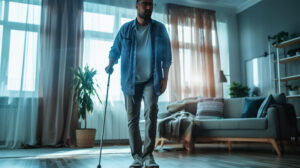
How to Create a Safer Home for Vision Impairments Step by Step Goals
For people with vision impairments, especially patients with glaucoma, and the caregivers supporting them, everyday spaces can turn unpredictable fast. The core challenge is that common home accessibility challenges often hide in plain sight, so a familiar routine can suddenly feel risky or exhausting. Accessible home design helps shift the home from constant caution to steady confidence, with changes that respect independence and reduce stress for everyone involved. With a clear plan for vision loss adaptations, home safety for visually impaired family members becomes a practical, manageable goal.
Quick Summary: Safer Home for Vision Impairments
- Start by assessing vision needs and daily routines to prioritize the most important safety upgrades.
- Plan the project step by step with a clear budget so changes stay manageable and realistic.
- Use universal design principles to improve accessibility throughout the home for long-term ease.
- Add adaptive technology where it helps most to support navigation, tasks, and independence.
Turn Vision Needs Into a Safer Home Plan
Here’s how to move from plan to action.
This workflow helps you turn day-to-day challenges from glaucoma into a clear home plan you can build and maintain. It matters because glaucoma can change over time, so you want choices that stay safe and usable for both patients and caregivers.
- Step 1: Assess today’s vision and likely changes
Start by listing what’s hard right now: glare, low light, stairs, cluttered walkways, or trouble spotting edges and door handles. Add “future-proof” notes about what may get harder, such as reduced contrast or a narrower field of view, so upgrades still work later. Walk room by room and write down the top 3 safety risks first. - Step 2: Translate needs into an accessible home plan
Turn your list into simple, specific requirements like “brighter, even lighting in hallways” and “clear paths with consistent furniture placement.” Begin at the front door since the entryway sets the tone for how safely someone can enter, turn, and move through the home. Sketch a basic floor plan and mark where you need smoother transitions, clearer wayfinding, and better light. - Step 3: Set a realistic budget and phase the work
Group projects into “do now” safety fixes, “next” comfort upgrades, and “later” remodel items so you are not forced to do everything at once. Price out your top priorities, then add a cushion for surprises behind walls or under floors. If you are unsure what to tackle first, use further guidance to spot common hazards and practical solutions. - Step 4: Choose durable, low-maintenance materials
Pick finishes that improve traction and visibility without constant upkeep, such as non-slip flooring, matte surfaces that reduce glare, and high-contrast edges on steps or counters. Favor materials that clean easily and do not create shiny reflections that can be disorienting. Ask for samples and view them in your actual lighting, morning and night. - Step 5: Coordinate with accessibility-savvy pros through handoff
Hire contractors who will follow your accessibility requirements and explain options in plain language, then confirm the plan in writing before work begins. During construction, do short walk-throughs to check lighting placement, threshold smoothness, and clearances before anything is finalized. At handoff, request a simple “how to use and maintain it” guide for switches, bulbs, and any new features.Small, steady upgrades can add up to a home that feels calmer, safer, and easier to navigate.
Universal Design vs. Adaptive Tech at a Glance
Here is a quick side-by-side look. This table compares universal design upgrades and adaptive home technologies that support safer navigation with glaucoma. Seeing the tradeoffs helps you spend first on changes that reduce falls, lower stress, and stay usable as vision shifts for both the person with glaucoma and the caregiver.
| Option | Benefit | Best For | Consideration |
| Layered, glare-controlled lighting | Improves contrast and wayfinding |
Hallways, stairs, kitchen tasks |
Needs bulb consistency and careful aiming
|
| High-contrast edges and labels | Makes boundaries easier to spot | Steps, countertops, key controls |
Can look busy if overused
|
| Tactile cues and consistent layout | Supports orientation by touch and memory | Night navigation, narrowed field of view |
Requires keeping furniture placement stable
|
| Motion-sensor lights and smart switches | Hands-free light when entering rooms | Entry points, bathrooms, closets |
False triggers or missed zones need tuning
|
| Handrails and non-slip flooring | Adds physical stability and traction | Stairs, transitions, wet areas |
Installation quality affects safety |
Start with the option that removes the biggest hazard in your top traffic path, then layer technology where it reduces effort day to day. Findings such as 5% more daily steps being associated with better home lighting suggest lighting is often a high-impact first move, even if it does not prove cause and effect. Knowing which option fits best makes your next move clear.
Common Questions About Safer, Vision-Friendly Homes
When the choices feel overwhelming, these clarifications can lower the risk.
Q: How can I accurately assess my current and future accessibility needs when planning a home for vision impairment?
A: Start with a “traffic-path audit”: map the routes used most and note glare, shadows, thresholds, and missed handholds. Ask your eye care team about likely functional changes with glaucoma so you can plan for flexibility, like extra lighting circuits and simple, consistent layouts. If possible, walk the plans with a caregiver and simulate low-light and night trips.
Q: What are practical budgeting tips to ensure an accessible home project stays affordable and reduces financial stress?
A: Prioritize safety basics first: stable footing, clear lighting, and stair support, then add convenience upgrades later. Build a 10% contingency line and get itemized bids so you can compare scope, not just price. Remember, the broader costs of living with vision loss can add up since personal care, transportation, and social activities cost almost $2,000 annually, so predictability matters.
Q: Which materials are safest and most durable for creating a home environment that supports vision-impaired residents?
A: Choose matte, non-gloss finishes to cut glare and pick flooring with reliable slip resistance, especially at entries and wet rooms. In bathrooms, smaller floor tiles reduce the risk of slips because added grout lines improve traction. Favor durable, easy-clean surfaces so spills and clutter do not become hazards.
Q: What universal design features and adaptive technologies best enhance independence and comfort in an accessible home?
A: Focus on features that keep working as vision changes: step-free entries, continuous handrails, consistent switch locations, and clear contrast at edges. Then layer in adaptive tools like motion-activated lighting and smart controls only where they reduce daily effort. Test settings in real life so alerts, brightness, and timing feel supportive rather than startling.
Q: How do I protect myself from potential construction defects or issues by securing proper warranty coverage during my accessible home build?
A: Ask for a written warranty packet before signing and confirm what is covered for workmanship, materials, and major systems, plus how long each coverage lasts. Require a documented punch-list walkthrough, keep photos of key installations, and store change orders so disputes are easier to resolve. As an extra protection layer, you can review third-party warranty terms and the claims process in advance to understand exclusions, and this may help for a quick overview of what to look for.
Small, well-chosen changes can make a home feel safer and more manageable quickly.
Turning Small Home Changes Into Safer Daily Independence
When vision changes from glaucoma, making everyday spaces feel unpredictable, even familiar rooms can start to carry risk and stress. The path forward is a steady, step-by-step mindset: prioritize clear communication with your builder, choose practical vision impairment accommodations, and treat empowering accessible home building as a series of manageable decisions. With that approach, building feasible accessible homes becomes less about fear and more about independence through design, where routines feel steadier, and navigation takes less effort. A safer home is built one clear choice at a time. Choose one safety upgrade or planning task this week, and write down exactly what “done” looks like before moving on. That small follow-through protects health today and supports confidence, connection, and resilience for the years ahead.
Article written by Camille Johnson
Exclusively for