
Summary
Glaucoma doesn't just affect your eyes, it rewires the way your entire body manages stress, inflammation, and cellular strain. That means supporting your long-term eye health calls for more than drops and pressure checks.
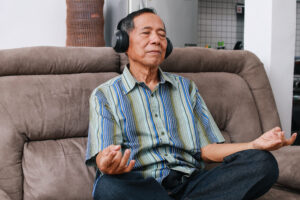
How to Stay Consistent with Your Glaucoma Wellness and Self-Care Goals
For people living with glaucoma and the caregivers supporting them, wellness and self-care goals can start strong and then quietly disappear. The core challenge isn’t motivation; it’s the daily friction of eye drop schedules, appointments, side effects, and the mental load of protecting vision over the long term. When routines don’t fit real life, consistency challenges grow, and emotional stress management gets pushed to the bottom of the list even when it’s needed most. With a steadier approach to glaucoma support, small commitments can feel doable again.
Understanding Personalized Self-Care Goals
A consistent glaucoma wellness plan starts with goals that fit you, not an ideal routine. Personalized self-care means choosing a few actions that match your priorities and energy, then sorting them into clear buckets like exercise, stress reduction, healthy eating, and better sleep.
This matters because routines that feel realistic are easier to repeat on days when symptoms, errands, or caregiving demands take over. Intentional routines can also support long-term health, and routine-based self-care shrinks relapse risk by as much as 40% highlights why structure is worth protecting.
Picture a caregiver who is exhausted by evening: a 10 minute walk after lunch, two minutes of breathing before drops, a protein-forward snack, and a fixed lights-out time. Instead of chasing perfection, they build a plan that respects limited bandwidth.
Build a Glaucoma Wellness Plan You Can Stick With
Your categories are set, so this process helps you turn them into a realistic weekly plan with built-in backups. For patients and caregivers, the goal is consistency you can maintain while also knowing where to find clear information and support when life gets busy.
- Pick 1–2 goals per category (not five). Start by choosing the smallest actions that still feel meaningful, such as a 10-minute walk, a 2-minute breathing pause, or one bedtime boundary. Keeping goals doable matters because setting realistic goals reduces the pressure that can lead to quitting.
- Convert each goal into a “when, where, how long” plan. Write each goal as a concrete appointment: “After lunch, walk 10 minutes,” or “Right before eye drops, take 3 slow breaths.” This removes guesswork, which is especially helpful when you are tired or multitasking as a caregiver.
- Time-block self-care as a real commitment. Put your actions on a calendar with a reminder, even if it is just a 10-minute block. The habit cue is the point, and treating it like the most important meeting helps protect the time when errands, work, or appointments expand.
- Add “if-then” backups for your busiest days. For each goal, write one fallback that is easier but still counts: “If I miss the walk, then I do 3 minutes of stretching,” or “If I cannot cook, then I choose a protein plus produce snack.” Backups keep the routine alive so one hard day does not become a hard week.
- Set a weekly 5-minute check-in and support touchpoint. Once a week, review what happened without judging it, then adjust one thing: time of day, duration, or the backup plan. If you need clearer guidance or motivation, pair the check-in with a reliable support resource, such as a patient education page, a support group, or a short call with your clinic.
Habits That Keep Glaucoma Self-Care Consistent
These habits turn your plan into daily and weekly routines you can repeat even on stressful days. They also give patients and caregivers simple ways to track progress and know when to seek clearer glaucoma education or support.
Drop-Time Pairing
- What it is: Link eye drops to one fixed cue, like brushing teeth.
- How often: Daily
- Why it helps: A consistent cue lowers missed doses when routines change.
Two-Song Movement Break
- What it is: Walk or stretch for two songs, focusing on enjoyment.
- How often: Daily
- Why it helps: Small manageable goals make movement easier to repeat.
Three-Breath Reset
- What it is: Take three slow breaths before drops, meals, or bedtime.
- How often: Daily
- Why it helps: It reduces stress reactivity and supports follow-through.
Plate Anchor Rule
- What it is: Include a protein and a produce item at one meal.
- How often: Daily
- Why it helps: Simple nutrition anchors reduce decision fatigue.
Common Questions About Staying Consistent
Q: How can I choose wellness goals that are realistic and fit my lifestyle?
A: Pick 1 to 3 goals tied to glaucoma care that you can measure, like “take drops as prescribed” or “walk 10 minutes, 3 days.” Make them small enough to do on your busiest day, not your best day. Aim for progress, because two-thirds abandon January resolutions and that is a sign goals often start too big.
Q: What strategies help make time for self-care when my schedule feels overwhelming?
A: Use “if then” planning: if you brush your teeth, then you do drops; if the kettle boils, then you stretch. Keep supplies visible and ready so the environment does the reminding. Ask a caregiver to share one task, like setting alarms or refilling a weekly pillbox.
Q: How do I effectively track my progress to stay motivated with my wellness goals?
A: Choose 2 to 3 indicators, such as missed doses, minutes of movement, and stress level 1 to 10. Do a five minute weekly check in and note one win and one obstacle. Seeing streaks build reinforces the identity of “I am someone who follows my care plan.”
Q: What are some ways to stay positive and patient if I fall short of my self-care targets?
A: Treat missed days as data, not failure: what changed, and what support would help next time? Restart with one tiny action today, like a single set of drops or a short breathing pause. The mindset of using them as fuel can turn setbacks into a practical plan.
Q: What options do I have if I want to explore new healthcare roles to feel more fulfilled and reduce stress?
A: Consider low pressure steps first, like informational interviews, volunteering, or a short course that fits your energy and vision needs. If training appeals to you, look for flexible pathways and accommodations so health routines stay protected. A career counselor or patient support organization can help you map options without rushing, and for more on this topic, see this is a good choice.
Restarting Consistent Glaucoma Self-Care With Patience and Confidence
Staying consistent with glaucoma self-care can feel hard when life gets busy, symptoms fluctuate, or a few missed days trigger discouragement. A gentler approach, grounded in self-compassion, patience in wellness, and simple check-ins, helps turn setbacks into resets instead of stop signs. Over time, this kind of perseverance in self-care supports calmer decision-making, steadier routines, and a long-term wellness commitment that feels realistic for patients and caregivers alike. Progress comes from returning, not from never missing. Choose one concrete next action: you can restart today by taking your next dose on schedule and doing one quick weekly check-in. That steady return builds resilience and keeps hopeful wellness outcomes within reach.
Article written by Camille Johnson
Exclusively for